← All nine lensesE.M.O.T.I.O.N.A.L.03 / 09
O / Recognition

The lens

Obsessions

Obsessions chapter artwork
The essential question

What will make someone feel that we truly understand what they love?

One-line definition

Become not just a fan, but a superfan.

What it asks

When working with a property, understand why the fandom cares so deeply and show that you have done your due dilly.

A closer look

Obsessions is the discipline of recognition. It asks teams to go beyond the visible facts of a property and understand the emotional reason people care, then use precise research, the right voices and a few meaningful details to make fans feel that the work was made with them in mind.

To be obsessive is not to collect trivia. It is to understand why a world, artist, story or community matters so much to the people who love it. Obsessions asks a team to become more than a casual fan. Read, watch, listen, play and study the source. Spend time where the fandom gathers, debates, jokes and creates. Learn not only the canon, but the feelings attached to it.

That research has to become decisions. What is sacred, sensitive, flexible or dangerous to get wrong? Which small object, phrase, ritual, snack, casting choice or local reference might carry a disproportionate Detail Dividend? The point is not to stuff the work with references. It is to find the details that create trust because they show an understanding of the emotional world, not just its surface styling.

Recognition also requires humility about who is in the room. The team may need cultural experts, superfans or people with lived context to protect authenticity. Approvals should guard what matters without sanding away surprise. Casual guests still need a way in, but their entry point should not flatten the experience for people who know every detail. The best work creates a layered welcome: easy to enter, rich enough to reward attention and honest about the knowledge it does not yet have.
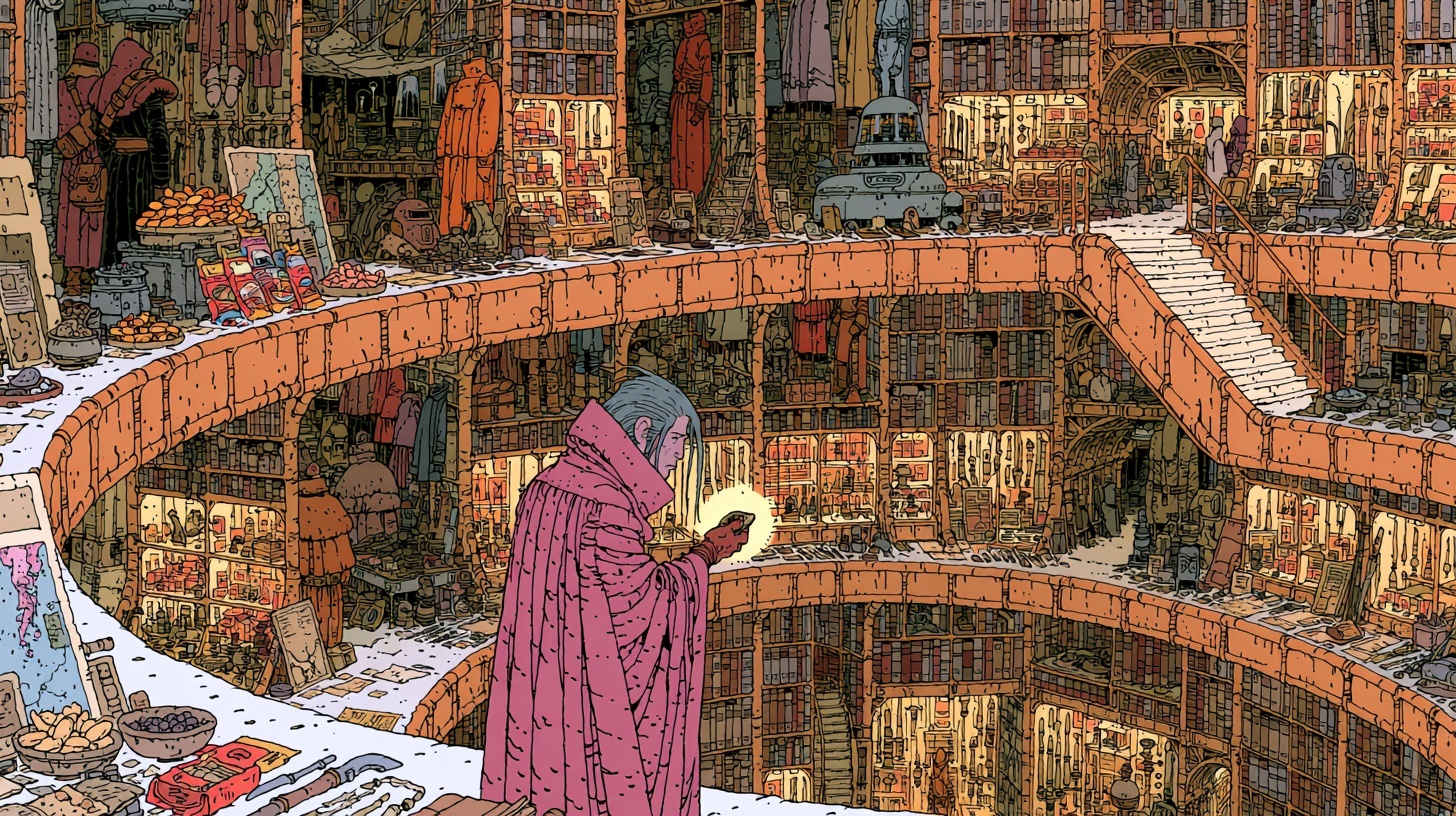
Obsessions: Recognition lives in the details: a world becomes credible when its smallest choices understand what its people love.
Recognition lives in the details: a world becomes credible when its smallest choices understand what its people love.

A precise detail says: we know why this matters, not just what it looks like.

Core principles

What this lens protects.

01

Research the emotional canon

Begin with the source, then go beyond it. Watch, read, listen to, play or study the material deeply, but also spend time where the fandom actually gathers. Notice the debates, jokes, rituals, arguments and acts of care that surround it. Ask what people protect and why. Canon facts matter, but they are not the whole story. The deeper work is recognising the emotional logic behind the attachment: which identities, memories, desires or shared languages make this property more than content to its audience.

02

Make a heatmap before making references

Sort the things people care about into sacred, sensitive, flexible and dangerous to get wrong. Include characters, objects, language, rituals, locations, controversies and emotional themes. This Canon Heatmap gives the team a shared basis for creative choices, staffing and approvals. It also exposes assumptions. A detail may be visually famous but emotionally flexible, while something small may be sacred because of what it represents. The point is not to make the work timid. It is to know where precision is a condition of trust.

03

Spend the Detail Dividend wisely

A small, correct detail can produce a disproportionate feeling of recognition. That is the Detail Dividend. It might be an object, a line of language, a snack, a local reference or a casting decision, but it only works when it is connected to real understanding. The Feid example began with interviews, snacks and local cultural knowledge, including a creative from his Colombian hometown. The value was not in displaying research. It was in letting research shape who made the work and what was considered meaningful.

04

Layer the welcome

Superfans and casual guests do not need identical experiences. A casual guest needs a clear, generous entry point. A superfan needs evidence that the world has depth and has not been flattened into decoration. Design both layers at once. Let the accessible layer explain what is needed to participate, while the deeper layer rewards attention through meaningful references and details. If a reference is only there to signal cleverness, remove it. If it changes how a fan feels seen, protect it.

The tension

Recognition without performance

There is a thin line between a meaningful reference and a decorative wink. A team can learn the names, the images and the fan language, then still miss the emotional reason the fandom cares. The result may look accurate but feel hollow. Fans notice when detail has been copied without context, especially when a property carries local, cultural or personal significance that the production has not taken seriously.

At the same time, obsessive research should not make the experience closed or defensive. Casual guests should be able to enter without passing a test. The answer is not to simplify the world until nothing is left for superfans. It is to create a clear front door and a deeper room behind it. Involve the people who can identify what must be protected. Let approvals support authenticity. Then leave enough surprise for recognition to feel discovered, not announced.

Signs of good work

What to look for in the room.

The team can explain why

People can articulate the emotional reason a fan cares, rather than only listing facts, images or moments from the source material.

The Canon Heatmap is active

Sacred, sensitive, flexible and dangerous details are visible in creative, staffing and approval decisions, not buried in a research document.

Details feel earned

References are connected to the world and its audience. They produce recognition rather than functioning as generic decoration or a test of insider knowledge.

The right people have voice

Cultural experts, superfans and people with relevant lived context are involved where their knowledge can genuinely change the work.

There are two depths

A casual guest has a clear route in, while a superfan can notice precise details that reward their attention without making basic participation obscure.

Failure modes

What weakens the work.

Canon as surface styling

Borrowing iconic imagery without the emotional logic behind it creates a world that is recognisable but not trustworthy. Fans can feel the gap immediately.

The trivia trap

Teams sometimes treat more facts as deeper research. Detail only matters when it helps explain what people protect, debate, remember or love.

Missing voices

When relevant cultural expertise or lived context is absent, the team may not see what is sacred, sensitive or dangerous to get wrong until the work is already exposed.

The locked front door

An experience can become so determined to reward experts that casual guests cannot understand how to enter. Layering should deepen the world, not turn belonging into an exam.

Tools and exercises

Put the lens to work.

Move from the editorial idea into the questions, checks and workshop material your team can use in the room.

Dual Lens / Way In

See it from both sides.

Guest

What detail will make fans feel seen?

Operator

What research, casting, staffing, creative references, and approvals are needed to protect authenticity?

Checklist

Pressure-test the work.

  1. 01

    Have we watched, read, listened to, played, or studied the source deeply?

  2. 02

    Have we spent time in the places where the fandom gathers, debates, jokes, and creates?

  3. 03

    Do we understand the emotional reason people care, not only the canon facts?

  4. 04

    Do we know what fans argue about and what they consider sacred?

  5. 05

    Have we mapped sacred, sensitive, flexible, and dangerous-to-get-wrong details?

  6. 06

    What small detail could create a disproportionate Detail Dividend?

  7. 07

    Is the team built around the IP and its cultural context where possible?

  8. 08

    Are the right cultural experts, superfans, and lived voices involved in decisions?

  9. 09

    Are approvals protecting authenticity without sanding away the surprise?

  10. 10

    Can casual guests enter without flattening the experience for superfans?

  11. 11

    Have we checked that references feel meaningful rather than decorative?

Workshop / 45 to 60 minutes

Canon Heatmap and Detail Dividend

Identify what the fandom truly protects and where precise details can create trust.

Exercise

Build a heatmap of the property, then convert research into creative and staffing decisions.

Steps
  1. 1

    List the characters, objects, language, rituals, locations, controversies, and emotional themes fans care about.

  2. 2

    Sort each into sacred, sensitive, flexible, or dangerous to get wrong.

  3. 3

    Add evidence from fan communities, source material, and cultural experts.

  4. 4

    Choose five small details with the highest potential Detail Dividend.

  5. 5

    Identify where the current team lacks knowledge, authority, or lived context.

  6. 6

    Create an accessible entry point for casual guests alongside the deeper fan layer.

Prompts
  • What do superfans know that casual guests do not?
  • What detail would make the fandom trust us?
  • What would fans call out instantly if we got wrong?
  • What is the emotional reason people obsess over this property?
  • Who needs to be in the room because of what this property represents?
Workshop output

A Canon Heatmap, Detail Dividend shortlist, team knowledge map, and casual-guest entry plan.

Reusable outputs

Leave with working material.

  1. 01Fandom research brief
  2. 02Superfan detail list
  3. 03Canon and non-canon guide
  4. 04Easter egg map
  5. 05IP authenticity checklist
Field example
For Feid, the team went deep on interviews, snacks, and local cultural knowledge, including hiring a creative from his Colombian hometown.