← All nine lensesE.M.O.T.I.O.N.A.L.01 / 09
E / Readiness

The lens

Empathy

Empathy chapter artwork
The essential question

What does this person need before they can participate?

One-line definition

Be hyper-tuned into the needs and wants of your guests.

What it asks

Walk the experience from the guest perspective. Literally put yourself in their shoes.

A closer look

Empathy is the work of making readiness visible. It asks teams to notice what a guest needs before they can join in, from the practical facts of water, seating and clear exits to the quieter need to arrive without embarrassment, uncertainty or the burden of asking for help.

An experience begins before its first designed moment. It begins in the invitation, at the ticket page, on the route there, in the queue, at the point someone wonders whether they are dressed right, late, allowed in, or able to manage the evening. Empathy is not a soft focus group exercise. It is the discipline of walking that whole route as a guest and finding the places where a person has to spend energy before they are ready to participate.

That means looking beyond an imagined average visitor. Different bodies, abilities, ages, identities, anxieties and energy levels move through the same environment differently. A bathroom that is hard to find, a queue with no shade, an unexplained rule, nowhere to sit, or no dignified way to leave can break the emotional journey before the creative work has had a chance. Intentional story friction can be useful. Accidental system friction is simply a tax.

Empathy also has to work across the three chairs: guest, operator and client. The guest needs care that feels natural. The operator needs enough information, resource and permission to deliver that care consistently. The client has finite money, goals, approvals and measures of success. The point is not to make one chair win. It is to find the moments where one is carrying the cost for another, then turn a basic fix into a thoughtful improvement or a generous act of care.
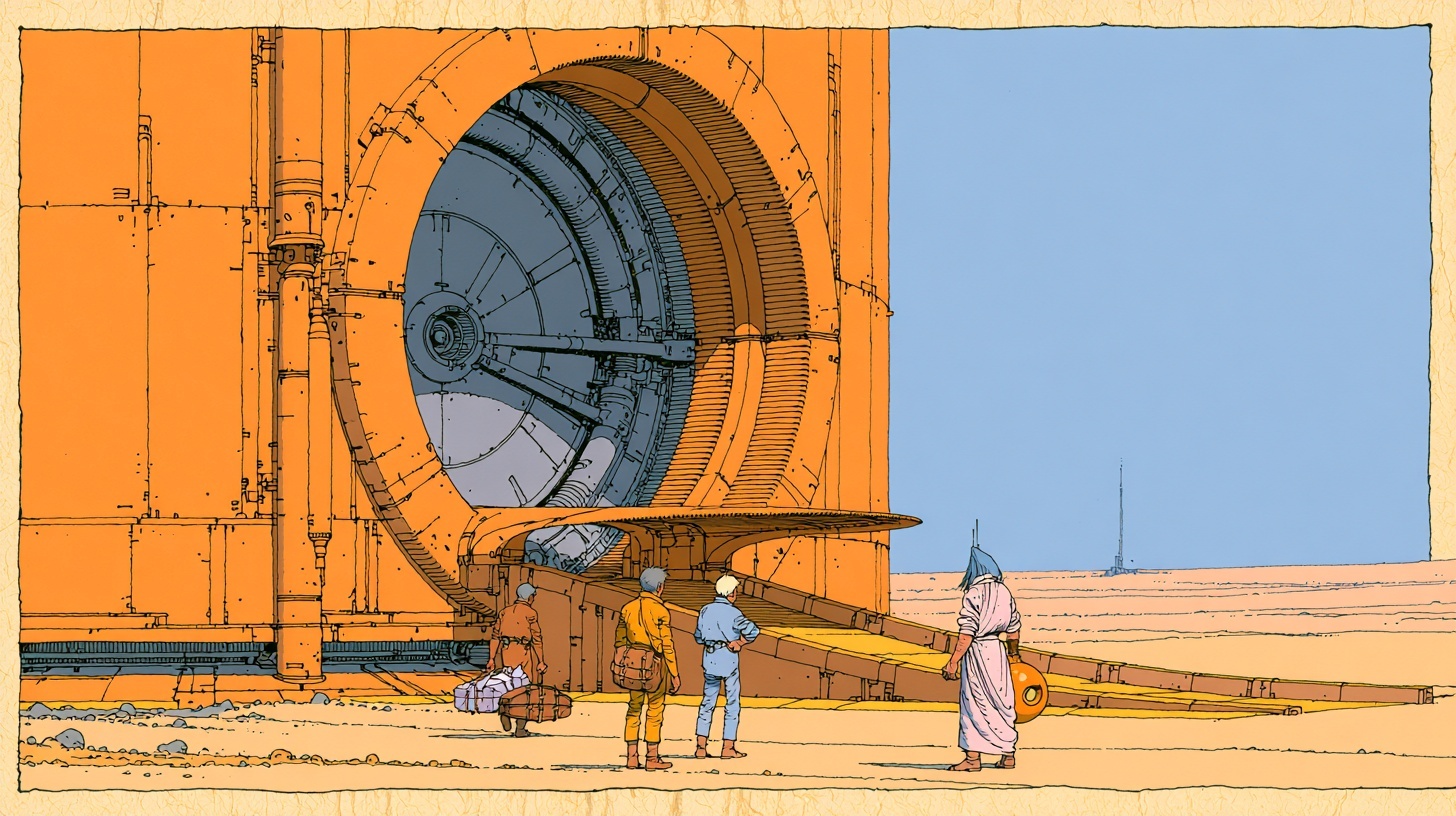
Empathy: A shared threshold: care begins before participation, in the practical and emotional conditions that let someone enter.
A shared threshold: care begins before participation, in the practical and emotional conditions that let someone enter.

Care becomes real when nobody has to ask for it.

Core principles

What this lens protects.

01

Walk the whole route

Do not begin at the front door. Walk from first awareness to afterglow: discovery, ticketing, travel, arrival, queuing, entry, participation, exit and follow-up. At every stage, ask what the guest knows, what they are carrying, what they may be worried about and what would make them feel more ready. The useful discoveries are often small. A clear expectation, a visible place to rest, or a simple way to opt out can protect the emotional intent far more effectively than another feature inside the room.

02

Design for real difference

Empathy is not achieved by imagining one ideal guest with slightly different preferences. Test the journey with different bodies, abilities, ages, identities, anxieties and levels of energy. Bring accessibility experts and people with lived experience in early enough that they can change the design, not merely comment on it. Look for practical supports such as water, shade, seating, rest, exits and quiet space, then ask whether they are genuinely easy to find and use. A provision that requires explanation or apology is not yet doing its job.

03

Separate drama from drag

An experience may deliberately ask for patience, anticipation, effort or uncertainty. The question is whether that friction serves a feeling the guest can recognise, or whether it is accidental drag created by a system. Long waiting without a reason, confusing information, inaccessible routes and unclear expectations do not deepen a story. They consume attention and confidence. Mark the distinction clearly in the journey. Keep the friction that creates meaning. Remove the friction that makes people feel overlooked, trapped or foolish for not understanding.

04

Escalate care without breaking delivery

Start with the basic need, then look for the thoughtful improvement and the wild escalation. The BravoCon example is instructive because it recognised what guests were actually arriving in: high heels, glamour and a large convention environment. More ladies restrooms and foot massage areas were not ornamental extras. They were playful, precise responses to real bodies in a real context. The strongest escalation makes a guest feel understood while remaining deliverable for the people running the experience every day.

The tension

The care that nobody sees

Empathy can be mistaken for a layer of guest service added after the concept is complete. That is too late. When care arrives as an apology for a difficult system, it can make the guest feel like an exception. The better ambition is to build readiness into the creative premise, the route, the staffing plan and the operational rhythm, so support feels like part of the world rather than a special request.

There is a practical tension here. Not every desire can be fulfilled, and not every friction should disappear. Teams still need boundaries, safety, timing and workable budgets. The question is whether the constraint is being honestly designed around. A clear, dignified limitation is often more empathetic than a promise that collapses at the point of use. Care is not limitless accommodation. It is knowing where effort, uncertainty or discomfort has become disproportionate, then giving people a credible route back in.

Signs of good work

What to look for in the room.

The guest knows what to expect

Information is clear enough that a guest can arrive, enter and participate without needing to ask basic questions or perform confidence they do not feel.

Support is easy to find

Bathrooms, water, seating, shade, rest, exits and quiet space are visible and usable, not hidden behind a request to staff.

Opting out keeps dignity

A late, lost or overwhelmed guest has a way to pause, recover or leave without being treated as a disruption to the experience.

Operators can deliver the promise

The team has the practical conditions, information and permission needed to offer care consistently, rather than relying on individual heroics.

Friction has a reason

When the journey asks something of people, guests can feel why. Uncertainty and effort are serving the emotional journey rather than compensating for a weak system.

Failure modes

What weakens the work.

The average guest

Designing for an imagined norm leaves everybody else to adapt. It turns difference into a problem the guest has to solve, usually at the exact moment they are deciding whether they belong.

Accommodation as an afterthought

If accessibility and comfort appear only after the main idea is locked, the available solutions become narrow, expensive and visibly separate from the intended experience.

Care without operational backing

A warm front-of-house gesture cannot make up for staffing, information or resources that are missing behind the scenes. The promise becomes inconsistent and the operator absorbs the failure.

Confusing friction with immersion

Teams sometimes defend queues, vague rules or difficult routes as part of the atmosphere. If guests are only confused or depleted, the system has created drag, not emotional texture.

Tools and exercises

Put the lens to work.

Move from the editorial idea into the questions, checks and workshop material your team can use in the room.

Dual Lens / Way In

See it from both sides.

Guest

What does the guest need physically, emotionally, socially, and practically to feel ready to participate?

Operator

What friction, discomfort, confusion, or access issue could break the emotional journey before it begins?

Checklist

Pressure-test the work.

  1. 01

    Have we walked the full journey as a guest, including discovery, ticketing, arrival, queuing, exit, and follow-up?

  2. 02

    Have we tested the journey with different bodies, abilities, ages, identities, anxieties, and energy levels?

  3. 03

    Are bathrooms, seating, shade, water, rest, exits, and quiet spaces easy to find and use?

  4. 04

    Does the guest know what is expected without needing to ask?

  5. 05

    Is there a dignified plan for guests who are overwhelmed, late, lost, or need to opt out?

  6. 06

    Have accessibility experts and people with lived experience shaped the design early enough to change it?

  7. 07

    Have we separated intentional story friction from accidental system friction?

  8. 08

    Have we considered the needs of the operators who must deliver this every day?

  9. 09

    Do we understand the client's finite money, goals, approvals, and measures of success?

  10. 10

    Where could we escalate from basic accommodation to a generous or playful act of care?

Workshop / 45 to 60 minutes

The Three-Chair Test and Escalations of Empathy

Find the moments where guest, operator, and client needs fall out of alignment, then turn basic fixes into more generous ideas.

Exercise

Walk the journey three times, once from each chair: guest, operator, and client.

Steps
  1. 1

    Draw the journey from first awareness to afterglow.

  2. 2

    Mark what each chair needs, fears, misunderstands, and protects at every stage.

  3. 3

    Circle accidental system friction and any moment where one chair is carrying the cost for another.

  4. 4

    Choose the three highest-friction moments.

  5. 5

    Create three responses for each: basic need, thoughtful improvement, wild escalation.

  6. 6

    Select the ideas that improve care without breaking delivery.

Prompts
  • What is the least comfortable part of this experience?
  • Who might feel excluded by the current design?
  • Where does the guest need reassurance or permission to opt out?
  • What does the operator need to deliver care consistently?
  • What would we change if the guest arrived tired, nervous, overdressed, hungry, or confused?
Workshop output

A Three-Chair journey map, friction split, and prioritized Escalations of Empathy list.

Reusable outputs

Leave with working material.

  1. 01Guest empathy map
  2. 02Accessibility and comfort audit
  3. 03Friction map
  4. 04Escalations of empathy list
  5. 05Guest needs checklist
Field example
BravoCon guests arrived glammed up in high heels to a large convention. Empathy meant over-indexing on ladies restrooms, foot massage areas, and playful comfort ideas.